
In the span of 10 days, the Star Tribune first posted an article about Mayor Frey’s Ambitious 9 Million Dollar Street Lighting Program and then followed that up with an article about cities in Minnesota that have been instrumental in implementing Dark Sky-friendly lighting. It is clear that this is a battle that is going to be waged not just in our locale but all around the country and the globe for that matter.
A proposal by Minneapolis Mayor Jacob Frey for $9 million in lighting upgrades to improve public safety has prompted a community discussion, with Lanise and others hoping for brighter streets. Frey’s plan would address a backlog in repairs, upgrade existing lights and add new lamp posts.
The city also aims to use more LED lights, which the mayor said are higher quality and more sustainable.
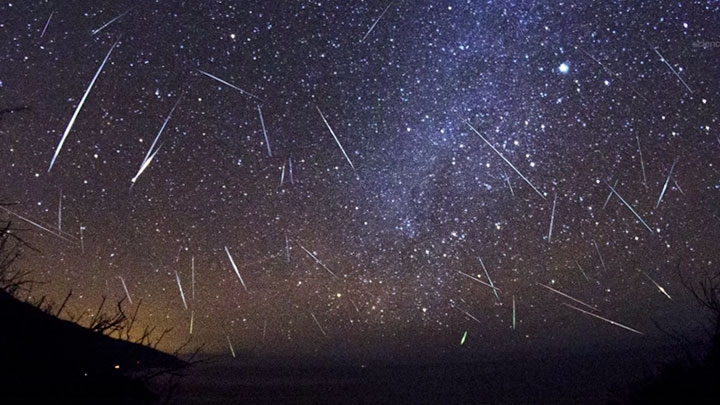
But not everyone is enthusiastic about the idea. Night-sky advocates worry that removing the shadows may not only obscure the stars but also contribute to public health issues and climate change.
“We just want to make sure that when the city puts in that lighting that they’re making smart and good decisions on the nature and location,” said Todd Burlet, president of Starry Skies North, the Minnesota chapter of the International Dark-Sky Association. “Brighter is not better.”
As city officials explore where and how to shine more light on Minneapolis streets, Burlet said he hopes his group will be part of the conversation. Things like shielding fixtures to direct light downward and using a softer “yellow” light instead of glaring blue LEDs can do much to mitigate light pollution, he said.
LaTrisha Vetaw, who represents the Fourth Ward on Minneapolis’ North Side, wants LED — the brighter the streets at night the better, she said.
“I understand their concern. But I understand the concerns of my constituents,” Vetaw said. “In my ward, I’m just trying to get LED. My ward is asking for brightness. We have some places where we have no light poles at all.”
Of course with big news like a $9 million street lighting upgrade, Dark Sky advocates are going to jump on the news and try to convey the balance needed between light and darkness. Elected officials rightfully so are not subject matter experts on all things yet are left to make hard decisions when topics of safety and light come to mind.
Does light equate safety? Check out the Get A Grip on Lighting Episode 232 above if you’re interested in this topic. Greg from Premier and his co-host Michael Colligan talk with Art Hushen. Art is a former/retired cop who is now the President/Owner of the National Institute of Crime Prevention (NICP, Inc.), a global training and consulting company specializing in Crime Prevention Through Environmental Design (CPTED). He is also involved on the IES Security Lighting Committee.
Similar to the broken window/quality of life theory, Art says that having light in a high traffic area will make it more likely to deter a criminal from feeling comfortable enough to commit a crime. Art mentions a study where numerous 100,000 lumen LED flood fixtures in 5000-6000K were installed outdoors in New York, resulting in a 38% decrease in crime. The light acts as a natural surveillance, although glare and light trespass became a problem in this scenario as it was going through people’s windows. But they wanted less crime and that was the result. Art also mentions however that this benefit of heavy outdoor light is generally best served for urbanized areas and does not make as much sense in more rural areas.
The topic of color also comes up. Identifying the color of a car is much easier in 4000K and 5000K. With warmer colors let alone high pressure sodium colors near 2000K or lower, a witness may say the car looked brown but is actually green. Facial recognition and camera ability may be hampered at the lower color temps as well. That said as we have learned on the Restoring Darkness podcast, we know the warmer color lights are much less likely to create sky-glow and are less disruptive to wildlife and the human circadian.
So what is the answer? It is well known that the early outdoor LED options were irresponsible in many ways. Most of the first gen LED corn cobs and outdoor LED fixtures were essentially blobs of omni-directional 5000K light. The idea of shielding the light was not as much of a concern because at the time, folks were not aware of the widespread sky-glow/dark sky concerns and just wanted more light and to save energy. As more education has taken place by both consumers and the lighting professional world, there are now numerous options available that are Dark Sky friendly both in terms of color emitted and properly shielded/lensed to reduce or outright eliminate uplight. Just in time too, as the first gen LED outdoor lights are reaching their end of life.
Plymouth and Bloomington are two of the cities mentioned in the Strib article above as urban areas that have succeeded in implementing Dark Sky friendly lights. Premier Lighting has dealt with jobs in both cities and the stringent rules ensure that outdoor lighting plans have to be precisely specified. In some ways it can be a pain for an end user looking to upgrade to LED yet also is a worthwhile endeavor that has proven to combat the blob of light style of outdoor LED lighting seen elsewhere.
Lighting controls might be the biggest play in all of it. Having outdoor lights on only when motion is detected is a good start, or if light is needed at all times it can be on at a lower percentage and then turned up higher when motion is detected. Along with properly shielded light focused downward and cut-off from emitting up-light, this can help balance the need for light for people in urban areas to feel safe while limiting the downside of having too much light.